
Programme: Day 2 – Friday 27 June
Session
Chair / Speaker
SESSION 8 – LIFE AFTER CANCER
Co-chair: Professor Melanie Davies
Consultant Gynaecologist, University College London Hospitals, Professor of Reproductive Medicine, University College London; Member – British Menopause Society medical advisory council Biography
 MBBS MA MRCP FRCOG
Co-chair: Dr Olivia Hum
GP, Foundry Healthcare Lewes, Myla Health; Member – British Menopause Society medical advisory council Biography
 Dr Olivia Hum has been a GP Partner at Foundry Healthcare Lewes for 16 years, specialising in women’s health and sexual health. She is a GP and BMS Trainer, British Menopause Society Menopause Specialist, and sits on the BMS medical advisory council.
Enhancing quality of life after cancer
Dr Claudio Soares
Therapeutic options for women who have had cancer
Dr Alexandra Taylor
Consultant in Clinical Oncology, The Royal Marsden Hospital, London Biography
 Dr Alexandra Taylor is a Consultant Clinical Oncologist specialising in the treatment of gynaecological cancers with radiotherapy and systemic therapies. She is co-chair of the British Gynaecological Cancer Society Guidelines group, and member of the ESTRO-ESGO guidelines committees for endometrial cancer and vulval cancer. She is Chair of the Royal College of Radiologists Clinical Oncology Learning Committee and chairs the RCR Clinical Oncology advisory group on Artificial Intelligence.
SESSION 9 – Nutrition, metabolism and menopause
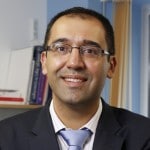 Mr Haitham Hamoda is a Consultant Gynaecologist and Subspecialist in Reproductive Medicine and Surgery. He is the Clinical Lead for the Menopause Service at King’s College Hospital and a Trustee of the British Menopause Society. Mr Hamoda has published widely in his specialised field and is actively involved in ongoing research projects both locally and nationally and teaches at undergraduate and postgraduate level.
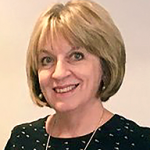 Sara began her post-graduate business career in marketing, with positions at Surrey County Cricket Club and at Extrastaff, part of the Blue Arrow group. After 11 years she converted from the commercial to the charity world, where she has remained! A senior managerial position with the Lord’s Taverners led to her creating her own consultancy – and professional introduction to a range of healthcare charities. As the partner of a GP in SE London, she was already personally committed to the broader medical world.
Diet, lifestyle and the menopause transition
Dr George Pounis
Postdoctoral Researcher, King’s College, London Biography
 Dr. George Pounis is a dietitian, epidemiologist, and biostatistician with 15 years of experience in public health, chronic disease research, and nutrition. He holds a PhD in Nutritional Epidemiology from Maastricht University and an MSc in Biostatistics from the National and Kapodistrian University of Athens. Currently, Dr. Pounis is a Postdoctoral Researcher at King’s College London, where he focuses on the interplay of diet, lifestyle, and menopause outcomes.
The intersection between diet, metabolic health and menopause: is there scope for a personalised approach?
Professor Sarah Berry
Professor in Nutritional Sciences, King’s College London; Chief Scientist ZOE Ltd Biography
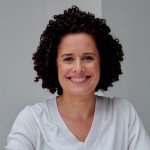 Sarah Berry is a Professor in Nutritional Sciences at King’s College London and Chief Scientific Officer at ZOE Ltd. Her research interests relate to the influence of dietary components on cardiometabolic disease risk, with particular focus on; personalised nutrition, menopause, postprandial lipid metabolism and food and fat structure. Since commencing her research career at King’s, she has been the academic leader for more than 35 human nutrition studies in cardio-metabolic health.
SESSION 10 – NEURODIVERSITY IN MENOPAUSE AND BEYOND
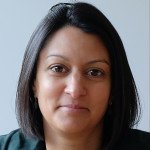 Dr Claire Phipps is a highly dedicated and compassionate GP with many years experience in providing comprehensive healthcare to all ages.
 Mr Paul Simpson is an Obstetrician & Gynaecologist at the Norfolk and Norwich University Hospital. He is the Clinical Lead for the Menopause Service as well as having specialist interests in endometriosis & minimal access surgery. He was awarded his Medical Doctorate (MD) from the University of East Anglia at UEA and continues to take an active interest in research; recruiting for NIHR Portfolio studies and as associate editor for Post Reproductive Health.
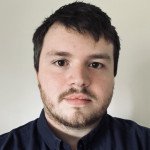 Dr Gavin R. Stewart is a British Academy Postdoctoral Research Fellow at King’s College London. His research explores the health, cognition, and experiences of middle-aged and older autistic people. He is also interested in improving the identification and accessibility of autism diagnoses for those who were missed in childhood. Gavin works with a range of longitudinal cohorts, including the AgeWellAutism study and the PROTECT study. These cohorts enable him to explore cross-sectional differences and longitudinal changes in ageing using categorical (i.e., those diagnosed with autism or who self-identify as autistic) and dimensional (i.e., those with autistic traits) approaches.
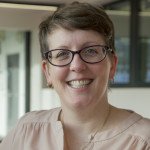 Rebecca Charlton is a Professor of Psychology at Goldsmiths University of London. Professor Charlton’s research focuses on changes in middle-age and later-life and the factors that promote healthy ageing. Her research examines the intersection of health, cognition, social-cognition and mood across adulthood. Professor Charlton is particularly interested in how ageing effects autistic and other neurodivergent people in terms of health, cognition and well-being. Her recent work has explored autistic people’s experience of menstruation and menopause, highlighting similar and unique experiences.
ADHD during the perimenopause and the menopause
Dr Jessica Agnew-Blais
Senior Lecturer in Psychology, Queen Mary University, London Biography
 Dr Jessica Agnew-Blais is a Senior Lecturer in Psychology at Queen Mary University London. Her research investigates the developmental course of attention-deficit hyperactivity disorder (ADHD) across the life span. Her current study focuses on ADHD among girls and women, and the role of times of hormonal change, including puberty, the menstrual cycle and the menopausal transition, in functioning among women with ADHD. Dr. Agnew-Blais is trained as an epidemiologist with a focus on psychiatric disorders.
SESSION 11 – THE PAT PATTERSON MEMORIAL LECTURE:
Stronger Through Menopause: Exercise and Nutrition Solutions in the Era of Incretin-based Weight Loss Therapy
Co-chair: Dr Juliet Balfour
GP, Somerset NHS Menopause Service; Member – British Menopause Society medical advisory council Biography
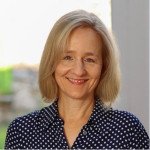 Dr Juliet Balfour has been a GP for over 30 years, specialising in women’s health and sexual health. In 2021 she successfully lobbied for funding for an NHS specialist menopause service for Somerset which she continues to run. She also has a small private menopause clinic.
Co-chair: Dr Paula Briggs
Consultant in Sexual and Reproductive Health, Liverpool Women’s NHS Foundation Trust; Immediate Past Chair and Trustee – British Menopause Society Biography
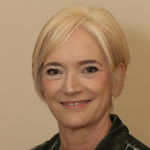 Paula Briggs is a Consultant in Sexual and Reproductive Health based at Liverpool Women’s NHS Foundation Trust.
Professor Robin Daly
Professor of Exercise and Ageing, Institute for Physical Activity and Nutrition, Deakin University, Melbourne, Australia Biography
 Professor Robin Daly, PhD, FASMF, FASBMR, holds the position of Chair in Exercise and Ageing and is Head of the Musculoskeletal Health and Mobility group within the Institute for Physical Activity and Nutrition at Deakin University, Melbourne, Australia. He has >30 years of experience in conducting clinical, epidemiological and implementation trials to understand how exercise and nutritional approaches can prevent and manage diseases, particularly sarcopenia, osteoporosis, falls and fractures, type 2 diabetes and cognitive related disorders. His work has led to the implementation of evidence‐based, community and telehealth-based exercise programs and nutritional products to optimise musculoskeletal health and body composition during mid-life (including menopause) and into old age. To date, he has been awarded >$24M is research funding and has published (co-edited) three books and 270 peer-reviewed articles. He is a Past President of the Australian and New Zealand Society for Sarcopenia and Frailty Research (ANZSSFR), current co-chair of the European Geriatric Medicine Society sarcopenia special interest group, a member of the medical and scientific advisory committee of Healthy Bones Australia and a Fellow of the American Society for Bone and Mineral Research (ASBMR).
SESSION 12 – CLARITY AFTER CONTROVERSY – A PANEL DISCUSSION
Tales from the clinic
Co-chair: Dr Katie Barber
Co-chair: Professor Nick Panay
Kathy Abernethy
Dr Juliet Balfour
Mr Haitham Hamoda
Dr Kristyn Manley
KEY MESSAGES & CLOSE
Dr Katie Barber
Professor Nick Panay
The BMS reserves the right to change sessions and speakers.
Enquiries
Email: admin@bms-whc.org.uk Tel: +44 (0)1628 890 199