

Programme: Day 2 – Friday 30 June 2023
Time
Session
Chair / Speaker
0815-0900
REGISTRATION & REFRESHMENTS
0900-1010
SESSION 8 – INCLUSIVITY
Co-chair: Professor Janice Rymer
Professor of Obstetrics & Gynaecology, King’s College School of Medicine, London; Consultant Gynaecologist, Guy’s and St Thomas’s NHS Foundation, London; National Speciality Advisor for Gynaecology for NHSE/1; Member – British Menopause Society medical advisory council Biography
Dr Janice Rymer
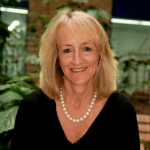 Professor Rymer qualified with MBCHB in 1981 from the University of Auckland and commenced her specialist training in New Zealand. She moved to the UK in 1987 and became a member of the Royal College of Obstetricians and Gynaecologists (RCOG) in 1987 and fellow of The Royal Australian and New Zealand College of Obstetricians and Gynaecologists (RANZCOG) in 1990. She was awarded her MD thesis from the University of Auckland in 1994 and was made fellow of the RCOG in 2005. She was made Professor of Obstetrics and Gynaecology at KCL in 2005 and Dean of Undergraduate Medicine in 2010.
Her areas of special interest are Minimal Access Surgery, Ovarian Failure, Medical Education and Female Genital Mutilation. She is an educational supervisor for specialist trainees and a preceptor for specialist advanced training modules in minimal access surgery, menopause and education. She has published over 140 peer review papers and 15 textbooks.
Other extramural positions include: Member of the RCOG Council 1997-2003 and 2010-2016; Member of the British Menopause Society Council 1986-2002 and 2010-16; she is currently on the General Medical Council team for assessing new Medical Schools. In 2016 she became Vice President (Education) for RCOG.
Co-chair: Dr Kalpana Upadhyay
Consultant in Obstetrics & Gynaecology, Wrexham Maelor Hospital, BCUHB, North Wales; Member – British Menopause Society medical advisory council Biography
Dr Kalpana Upadhyay
 Specialising in menopause and management of reproductive endocrinological disorders including Premenstrual Syndromes and Premenstrual Dysphoric Disorders. Responsible for setting up the first NHS based menopause service for North Wales. Member of the Medical Advisory Council, BMS and recognised menopause trainer.
0900-0930
Ethnic Disparities in Menopause
Dr Shashi Prasad
GP and certified Lifestyle Medicine Physician Biography
Dr Shashi Prasad MBBS, MRCGP, DRCOG, Dip BSLM
She is a member Royal College of General Practitioners, British Menopause Society, International Menopause Society, British Society of Lifestyle Medicine, and Institute of Functional Medicine.
She works in the NHS Menopause Clinic at King’s College Hospital, London, and also provides private menopause care at The Private GP Group, Surrey.
Special interests:
- Management of Menopause and Perimenopause
- Natural Body-identical Hormone Replacement Therapy
- Testosterone Therapy
- Local Vaginal Therapy– Hormonal and Non-hormonal
- Thyroid disorders – Underactive Thyroid
- Use of Herbals and Botanicals for hormonal problems
- Women’s Midlife Wellness
Shashi is passionate about increasing menopause awareness and improving menopause care among ethnic minority women and, earlier this month, the BMS published its new Tool for Clinicians Menopause in ethnic minority women, developed by Shashi in collaboration with the BMS medical advisory council.
Ethnic Disparities in Menopause
More research is needed in this area for better understanding of how to improve inclusivity and the delivery of menopause care to ethnic minority women.
0930-1000
Are non-prescribed treatments a viable option for menopausal women?
Ms Claudine Domoney
Gynaecology Clinical Effectiveness Lead and lead consultant for the Community Gynaecology and Perineal Services, Chelsea & Westminster Hospital NHS Trust Foundation; National Association of Premenstrual Syndrome Trustee Biography
Ms Claudine Domoney
 Claudine Domoney is a Consultant in Obstetrics and Gynaecology at Chelsea and Westminster Hospital, London, UK. She completed research in premenstrual syndrome and the menopause then became interested in sexual difficulties as they present in consultations. She has Membership of the Institute of Psychosexual Medicine (IPM) and was the Chair of the IPM. Subsequently she completed further training in pelvic floor dysfunction and surgery. Her interest in pelvic floor function covers physical, hormonal and sexual aspects, including postpartum problems. She provides holistic care for women with gynaecological cancers suffering hormonal and pelvic floor issues.
1000-1010
Q&A
1010-1040
REFRESHMENTS, POSTERS & EXHIBITION
1040-1150
SESSION 9 – COMPLEX MEDICAL CONDITIONS & HRT
Co-chair: Miss Lynne Robinson
Consultant Gynaecologist & Clinical Lead Fertility, Menopause and Reproductive Endocrine Services, Birmingham Women’s Hospital; Member – British Menopause Society medical advisory council Biography
Miss Lynne Robinson
 Lynne Robinson is a Consultant Gynaecologist with her NHS practice based at Birmingham Women’s Hospital (BWH). She practices privately at BMI Priory Hospital Edgbaston.
Lynne graduated from Edinburgh University Medical School in 1996 and completed a MD in basic sciences related to Reproductive Medicine in Edinburgh in 2003.
She completed sub speciality training in Reproductive Medicine in Birmingham in 2012, started her consultant role in 2013 and became a Fellow of the Royal College of Obstetricians and Gynaecologists in 2019. Lynne is Clinical lead of the Birmingham Women’s Fertility Centre (BWFC) and the Menopause and Reproductive Endocrine services at Birmingham Women’s Hospital. BWFC has the second largest Pre Implantation Genetic Diagnosis Clinic in the UK and is one of the largest fertility centres in the West Midlands. Lynne is co-ordinator of the ESHRE European Fellowship in Reproductive medicine examination committee.
As a member of the Medical Advisory Council of the British Menopause Society (BMS) and chair of West Midlands Menopause Society she has detailed academic and clinical knowledge of managing difficult medical conditions in relation to the menopause.
Lynne also leads the Reproductive Endocrine service at BWH and is experienced in all areas of Reproductive Medicine leading to fertility issues and polycystic ovarian syndrome.
Professor John Stevenson
Emeritus Reader in Metabolic Medicine in the National Heart and Lung Institute, Imperial College London; Trustee – British Menopause Society Biography
Professor John Stevenson
 Prof John Stevenson is Emeritus Reader in Metabolic Medicine in the National Heart and Lung Institute, Imperial College London, Visiting Professor at the Belgrade School of Medicine, and Consultant Physician at the Royal Brompton Hospital, London, where he jointly runs the UK’s first female heart disease clinic. His research has included studies of metabolic risk factors for coronary heart disease and the effects of sex hormone deficiency and replacement, and metabolic bone diseases, particularly the diagnosis, prevention and treatment of osteoporosis. He lectures extensively throughout the world, and has over 450 publications in journals and books, including 12 textbooks. He is Chairman of the charity Women’s Health Concern, Trustee of the British Menopause Society, Fellow of the European Society of Cardiology, Foundation Member of the Faculty of Sports and Exercise Medicine (UK) and Executive Committee Member of the International Society of Gynecological Endocrinology. He is a past Chairman of the British Menopause Society, past Executive Committee Member of the International Menopause Society and of the European Menopause and Andropause Society, past Non-US Section Head, Cardiovascular diseases in women (reproductive & post-reproductive age), Women’s Health Faculty, Faculty of 1000 Medicine, and past Editor of Maturitas.
1040-1110
Menopause and the liver
Dr Mathis Heydtmann
Consultant Hepatologist in Dumfries, Honorary Associate Clinical Professor, Specialist advisor to the Scottish Public Services Ombudsman and a specialty advisor to the Scottish Chief Medical Officer for liver Biography
Dr Mathis Heydtmann MD, FRCP, PhD
 Consultant Hepatologist
Honorary Associate Clinical Professor
Mathis studied in Germany with electives in several European countries. He worked in the liver unit in Berne, Switzerland and in Manchester. He did his Specialist Registrar training in Birmingham UK where he did his PhD in Liver Immunology. Since 2007 he works in Scotland, initially in Glasgow and now as a Consultant Hepatologist in Dumfries. He works full time for the NHS and also dedicates time to his interests in public health and health inequalities. He is a strong advocate for the deprived and often underserved patients with liver disease.
Mathis also has an interest in communication, coaching, negotiation, mediation and appraisal. He is specialist advisor to the Scottish Public Services Ombudsman and a specialty advisor to the Scottish Chief Medical Officer for liver.
Menopause and the Liver
The liver is the main organ of oestrogen, progesterone, FSH and LH metabolism. The three common benign focal liver lesions are hormone dependent: liver angioma (female > male), focal nodular hyperplasia 5:1), hepatocellular adenoma (female to male: 9:1).
All three were shown to increase in frequency or size with oestrogen (oral contraception or pregnancy). However this is controversial for FNH. The effect of sex hormones on HCC development is also controversial.
For the effect of sex hormone treatment / replacement on the liver, the first pass effect through the liver has to be considered. The liver is exposed to higher drug doses of orally administered medication than other organs. Typically 80 % (progesteron) to 95 % (oestrogens) of an orally administered hormone dose is removed by the liver before the hormone gets into the general circulation. Parenterally administered hormones get directly into the central circulation. Therefore parenterally administered hormones have less effect on focal liver lesions.
Guidance for the most common benign liver lesions are (evidence evolving):
Liver haemangiomas: might need surgery if large (>10 cm) or symptomatic. Follow up scans (6-monthly to 2 yearly) if on oestrogen therapy or pregnancy; low / no oestrogen HRT preferable.
FNH: pregnancy, OCP, HRT are OK, but if large or symptomatic discuss at MDT / FU.
Hepatocellular adenomas: if large, male, pregnancy planned: close follow up because of risk of rupture, best to avoid enteral HRT, advise weight loss. Low / no oestrogen HRT preferable.
1110-1140
Cardiovascular health after menopause
Professor Angela Maas
Emeritus Professor in Women’s Cardiac Health, Radboud University Medical Center, Netherlands Biography
Dr Angela Maas
 Angela Maas, MD, PhD is a clinical cardiologist since 1988 and has developed a main interest in heart disease in women over the past decades. Since 2012 she holds a chair in Cardiology for women at the Radboud University Medical Center in Nijmegen, the Netherlands. She focuses on the early identification of women at increased cardiovascular risk and stable and unstable ischemic heart disease in women at middle-age. She has received many awards such as by the Dutch Society of female physicians (2010), the Radboud University (2014) and she was knighted by the King in 2017. She is currently one of the most influential female doctors in Dutch healthcare and was the 2020/21 Women’s representative of the Dutch Government to the United Nations.
Cardiovascular health in women
1140-1150
Q&A
1150-1300
SESSION 10 – MENTAL HEALTH
Co-chair: Dr Deborah Bruce
Consultant Gynaecologist, Guy’s and St Thomas’ NHS Foundation Trust; Senior Lecturer in Medical Education, University of Surrey; Member – British Menopause Society medical advisory council Biography
Co-chair: Dr Deborah Bruce
 I was initially appointed as a Locum Consultant Obstetrician and Gynaecologist at Guys and St Thomas (GSTT), London in 2009. I obtained a substantive clinical academic role at KCL/GSTT in January 2011. I have been particularly involved in menopause care since 1997 when I spent over 3 years with Professor Janice Rymer in the Menopause Research Unit, Guys Hospital performing my own research in addition to being involved with numerous national and international trials. I was awarded MD ‘A comparison of E, E+P, Raloxifene and Tibolone on markers of CVD’ in 2004. I have published extensively in this area. I have previously been a council member BMS in 2012-15 and elected again for a second term in 2021. I am a Menopause specialist – one of the first. I co-lead a busy tertiary menopause clinic at GSTT and continue to teach and train many undergraduates, GSTT PG trainees in Menopause care and numerous trainees/GP’s/Specialists from around the country for the SSM with the FFP and the BMS. I am also newly appointed to the University of Surrey as Director of Undergraduate teaching and learning to develop a new medical school in Guildford, Surrey, having been a scenario, block, theme, module lead at KCL medical school since 2011.
Co-chair: Dr Zoe Schaedel
Joint Chairman, Programme planning group; GP and Menopause Specialist, Brighton and Hove NHS Community Menopause Clinic; Member – British Menopause Society medical advisory council Biography
Dr Zoe Schaedel
 Dr Schaedel has 16 years’ experience as an NHS GP with expertise in women’s health and sexual health and she is an accredited British Menopause Society Menopause Specialist. She leads the Brighton and Hove Community NHS Menopause and is a co-director of Myla Health.
Dr Schaedel is currently a member of the British Menopause Society’s Medical Advisory Council, the Primary Care Women Health Foundation’s Education Committee and NHS England’s Menopause Improvement Programme Clinical Reference Group.
Dr Schaedel has developed a special interest in sleep and lectures on the International Sleep Medicine Course. She sits on the British Sleep Society Education Committee and co-founded The Good Sleep Clinic. Dr Schaedel has published articles on Menopause in The Lancet and Post Reproductive Health.
1150-1220
Premenstrual Dysphoric Disorder – differential diagnosis and complex cases
Dr Mark Barsoum
Consultant Perinatal Psychiatrist Biography
Dr Mark Barsoum
 Dr Mark Barsoum is a Consultant Perinatal Psychiatrist and Clinical Director for Mersey Care NHS FT. He trained at Liverpool Medical School and became a Member of the Royal College of Psychiatrist’s in 2013. Mark started working as Perinatal Consultant in 2016 in Liverpool and over the last 3 years has developed a joint clinic with Dr Paula Briggs with a focus on PMDD and mental health in menopause. He is based out of the Liverpool Women’s Hospital but provides mental health care for women and families of Liverpool and Sefton. Mark is involved in local and regional development of perinatal services and guideline and wrote a chapter in the Continuous Textbook of Women’s Health on mental health in the puerperium.
Dr Paula Briggs
Consultant in Sexual and Reproductive Health, Liverpool Women’s NHS Foundation Trust; Chairman and Trustee – British Menopause Society Biography
Dr Paula Briggs FFSRH FRCGP
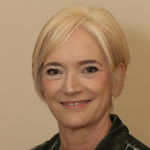 Paula Briggs is a Consultant in Sexual and Reproductive Health based at Liverpool Women’s NHS Foundation Trust.
She is Chair of the British Menopause Society.
Paula qualified from University of Glasgow in 1987.
She trained as a GP before moving to Liverpool in 1993 and worked in General Practice and Sexual Health until 2012.
She is now devoted to delivery of women’s health care, research and education. Her main interest is menopause management with a particular interest in urogenital atrophy.
She has co-edited 3 books, co-written an undergraduate textbook in Obstetrics and Gynaecology, a revision guide for MFSRH and a book specifically for men about female hormones. She has also written a patient booklet on menopause (second edition).
She is married with four children and enjoys golf, yoga/pilates, reading and cooking.
Premenstrual Dysphoric Disorder – differential diagnosis and complex cases
PMDD was added to the International Statistical Classification of Diseases and Related Health Problems (ICD011) in 2019, validating it as a legitimate diagnosis. There is a wide range of sensitivity to naturally occurring and exogenous sex steroid hormones, particularly progesterone and progestogens. Whilst many women experience irritability in the pre-menstrual phase of their reproductive cycle, 3-8% of women are affected by severe pre-menstrual symptoms, which impact on how they function and can be associated with suicidal ideation.
We will explore through case histories; differential diagnoses including psychosis, mood disorders, ADHD, anxiety and previous trauma.
We will also consider the impact of comorbidities on patient management plans and share the benefit of a multidisciplinary approach to managing women affected by this condition.
1220-1250
Menopause and Sleep
Dr Hadine Joffe
Executive Director, Mary Horrigan Connors Center for Women’s Health and Gender Biology; Paula A. Johnson Professor of Psychiatry in the Field of Women’s Health, Harvard Medical School; Executive Vice Chair for Academic and Faculty Affairs, Department of Psychiatry, Brigham and Women’s Hospital, Harvard Medical School, Boston, Massachusetts, USA Biography
Dr Hadine Joffe MD MSc
 Executive Director, Mary Horrigan Connors Center for Women’s Health and Gender Biology
Executive Vice Chair for Academic and Faculty Affairs, Department of Psychiatry
Brigham and Women’s Hospital
Paula A. Johnson Professor of Psychiatry in the Field of Women’s Health
Harvard Medical School
Hadine Joffe MD MSc is the Paula A. Johnson Endowed Professor of Psychiatry in the Field of Women’s Health at HMS, as well as the Executive Vice Chair for Academic and Faculty Affairs in the Department of Psychiatry and the Executive Director of the Connors Center for Women’s Health and Gender Biology the at BWH, where she directs the Women’s Hormones and Aging Research Program. She is affilitated with the HMS Division of Sleep Medicine, the Dana Farber Harvard Cancer Center Breast Cancer Program, and the Department of Psychosocial Oncology and Palliative Care at the Dana Farber Cancer Institute.
Dr. Joffe received her undergraduate degree from Harvard University, her medical degree from Cornell University Medical College, and her master’s degree in Epidemiology from the Harvard School of Public Health. She completed her psychiatry residency training at McLean Hospital and a fellowship in Reproductive Psychiatry at Massachusetts General Hospital.
Dr. Joffe is an experienced clinician and clinical reproductive neuroscientist in the field of women’s brain health in relation to midlife aging, mental health, and neurobehavioral consequences of cancer therapies. Her research has been continuously funded by the NIH since 2000, as well as by foundations and pharmaceutical companies. She is currently the Principal Investigator of a U54 SCORE Center grant and 2 active R01s. Her work focuses on the mechanisms (neural, hormonal, stress, autonomic), course, downstream consequences (body fat gain), and treatment of neuropsychological symptom outcomes (depression, insomnia thermoregulatory disturbance, fatigue) in healthy midlife women and breast cancer survivors.
As the Director of the BWH Connors Center for Women’s Health and Gender Biology, Dr. Joffe oversees a comprehensive cross-departmental research program for the hospital with two main pillars — equity in the development of novel therapeutics for diseases that affect women exclusively, predominately and differentially, and the impact of stress and adversity on the health of women. Both of these research pillars include research activities funded by the National Institutes of Health, industry, and philanthropic resources, as well as cross-cutting academic collaborations. Each pillar incorporates structured educational programs and training fellowships to mentor and sponsor the next generation of investigators whose work focuses on the health of women.
Dr. Joffe’s contributions to clinical work, research, and mentoring have been recognized through the BWH Distinguished Clinician Award, the Thomas Clarkson Outstanding Clinical & Basic Science Research Award from the North American Menopause Society, and the HMS Department of Psychiatry Stuart T. Hauser MD PhD Mentorship Award.
Menopause and Sleep
While shortening of total sleep hours is known to adversely affect health outcomes, the impact on health of the menopause-pattern of interrupted sleep occurring within a normal total sleep duration is less well understood. Accumulating experimental data in humans show that menopause-pattern sleep interruption has adversely consequences on metabolic health, daytime wellbeing, and mental health. Each of these adverse effects represents a common health problem that is strongly linked with menopause. Our findings underscore the clinical importance of treating sleep interruption in midlife women even when they meet the recommended guidelines for sleep duration.
Treatment for menopause-associated sleep disturbance should be targeted to the specific nature and severity of the sleep problem. Treatment options include lifestyle and behavioral strategies, a range of pharmacotherapies involving different CNS mechanisms, and targeted mechanical approaches.
As women transition from the pre- to perimenopause, complaints of cognitive difficulties become more common, and performance on objective cognitive tests declines. The encoding and recall of words, conversations, and other verbal material are the cognitive abilities most reliably affected, with some studies also showing effects on processing speed. There is no reliable evidence for changes in executive function or other higher-order cognitive functions, though a subset of women appear to show symptoms similar to attention deficit hyperactivity disorder (ADHD) and may benefit from psychostimulants. Increasing age and menopause symptoms influence cognition at midlife, though those factors do not account for these stage-related changes in cognition. That finding, combined with evidence of cognitive changes following oophorectomy, underscore a direct effect of declines in ovarian hormone on cognition. Clinical trials of hormone therapy show cognitive benefit for women with early menopause but not for naturally menopausal women. Menopausal symptoms, particularly vasomotor symptoms (VMS), sleep disturbance and mood difficulties, are modifiable risk factors for cognitive difficulties. Increased frequency of VMS during the day and particularly at night, are associated with changes in memory and brain health. Preliminary findings suggest that treating VMS may improve cognition, and large clinical trials are underway to determine if VMS may play a causal role in such changes. Importantly, the link between VMS and brain health is observed only when VMS are measured objectively using ambulatory skin conductance monitors. If these associations are found to be causal in future studies, then the treatment of VMS may be indicated to maintain cognitive performance. Nighttime VMS are associated with awakenings, and disturbed sleep is a key determinant of cognitive performance. Depression and anxiety symptoms increase in the perimenopause and are associated with cognitive difficulties. There are no large, randomized trials of hormone therapy on cognition in the perimenopause, though treating VMS with hormone therapy theoretically may confer benefits, particularly if those VMS are disrupting sleep. Clinical approaches to addressing cognitive concerns should consider the patient’s constellation of menopause symptoms and other risk factors for cognitive decline, including hypertension, low physical activity, obesity, unhealthy diet, social isolation, and limited cognitive activity.
1250-1300
Q&A
1300-1400
STANDING FORK BUFFET LUNCH, POSTERS & EXHIBITION
1400-1440
EDUCATIONAL SYMPOSIUM
sponsored by Viatris
Body-Similar vs Body-Identical vs Synthetic HRTs – What’s the difference?

Dr Diana Mansour
Consultant in Community Gynaecology, Newcastle-upon-Tyne Biography
Dr Diana Mansour
 Dr Diana Mansour is a Consultant in Community Gynaecology and Reproductive Healthcare at Newcastle upon Tyne Hospitals NHS Foundation Trust in the UK.
She is an Associate Clinical Lecturer at Newcastle University and was recently the Senior Vice President at the Faculty of Sexual and Reproductive Healthcare of the Royal College of Obstetricians and Gynaecologists. Diana currently sits on the FSRH UKMEC steering group and guideline development group. She is a British Menopause Society recognized specialist and trainer leading recently on development of the Menopause Guidance for the North of England.
Diana is first author to over 100 peer-reviewed publications and co-wrote ‘Contraception Made Easy’ with Dr Laura Percy for those working in general practice and family medicine.
Diana’s areas of expertise include acceptability of contraceptive methods, non-contraceptive benefits of contraception, development of long-term methods of contraception, medical management of heavy menstrual bleeding and management of the menopause.
1440-1510
SESSION 11 – THE PAT PATTERSON MEMORIAL LECTURE
Chair: Mr Haitham Hamoda
Consultant Gynaecologist, Subspecialist in Reproductive Medicine and Surgery, King’s College Hospital, London; Immediate Past Chairman and Trustee – British Menopause Society Biography
Mr Haitham Hamoda
 Mr Haitham Hamoda is a Consultant Gynaecologist and Subspecialist in Reproductive Medicine and Surgery. He is the Clinical Lead for the Menopause Service at King’s College Hospital and the Immediate Past Chairman of the British Menopause Society. Mr Hamoda has published widely in his specialised field and is actively involved in ongoing research projects both locally and nationally and teaches at undergraduate and postgraduate level.
He is the first author of The British Menopause Society & Women’s Health Concern 2016 recommendations on hormone replacement therapy in menopausal women and author of the British Menopause Society guideline on the management of women with premature ovarian insufficiency 2017.
Mr Hamoda is a Fellow of the Royal College of Obstetricians and Gynaecologists and was awarded a degree of Doctor of Medicine (MD) from the University of Aberdeen. He obtained his accreditation as a subspecialist in reproductive medicine at Guy’s and St Thomas’ Hospital.
Dr Pauline Maki
Professor of Psychiatry, Psychology and Obstetrics & Gynaecology and Associate Dean for Faculty Affairs at the University of Illinois at Chicago (UIC), USA Biography
Dr Pauline Maki PhD Bio
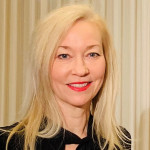 Dr. Pauline M. Maki is Professor of Psychiatry, Psychology and Obstetrics & Gynecology and Associate Dean for Faculty Affairs at the University of Illinois at Chicago (UIC). For the past 25 years, she has led a program of research on women, cognition, mood and dementia, with a particular focus on the menopause. She has over 200 scientific publications on this topic. Her research addresses important issues in women’s health such as how hormonal changes and menopause symptoms affect women’s cognition, brain function and mood at midlife and the effect of menopausal hormone therapy on cognition. Dr. Maki is Past President of the North American Menopause Society (NAMS), Treasurer of the International Menopause Society, and past Chair of the Society for Women’s Health Research Interdisciplinary Network on Alzheimer’s Disease. She won the 2018 Woman in Science Award from the American Medical Women’s Association, the Thomas B. Clarkson Outstanding Clinical and Basic Science Research Award from the NAMS, and the Health Education Visionary Award from the Society for Women’s Health Research. She has won a number of NIH awards for her research and service, serves as a research and career mentor to many students and junior faculty, serves on executive committees for several women’s health advisory boards, and is a frequent international and national speaker. Her work is widely cited in the media, including in such outlets as the New York Times, Wall Street Journal, Washington Post, Fox News, National Public Radio, BBC, the Today Show, NBC News, ABC News, and the Guardian.
Brain Fog: The Role of Hormones and Menopause Symptoms
As women transition from the pre- to perimenopause, complaints of cognitive difficulties become more common, and performance on objective cognitive tests declines. The encoding and recall of words, conversations, and other verbal material are the cognitive abilities most reliably affected, with some studies also showing effects on processing speed. There is no reliable evidence for changes in executive function or other higher-order cognitive functions, though a subset of women appear to show symptoms similar to attention deficit hyperactivity disorder (ADHD) and may benefit from psychostimulants. Increasing age and menopause symptoms influence cognition at midlife, though those factors do not account for these stage-related changes in cognition. That finding, combined with evidence of cognitive changes following oophorectomy, underscore a direct effect of declines in ovarian hormone on cognition. Clinical trials of hormone therapy show cognitive benefit for women with early menopause but not for naturally menopausal women. Menopausal symptoms, particularly vasomotor symptoms (VMS), sleep disturbance and mood difficulties, are modifiable risk factors for cognitive difficulties. Increased frequency of VMS during the day and particularly at night, are associated with changes in memory and brain health. Preliminary findings suggest that treating VMS may improve cognition, and large clinical trials are underway to determine if VMS may play a causal role in such changes. Importantly, the link between VMS and brain health is observed only when VMS are measured objectively using ambulatory skin conductance monitors. If these associations are found to be causal in future studies, then the treatment of VMS may be indicated to maintain cognitive performance. Nighttime VMS are associated with awakenings, and disturbed sleep is a key determinant of cognitive performance. Depression and anxiety symptoms increase in the perimenopause and are associated with cognitive difficulties. There are no large, randomized trials of hormone therapy on cognition in the perimenopause, though treating VMS with hormone therapy theoretically may confer benefits, particularly if those VMS are disrupting sleep. Clinical approaches to addressing cognitive concerns should consider the patient’s constellation of menopause symptoms and other risk factors for cognitive decline, including hypertension, low physical activity, obesity, unhealthy diet, social isolation, and limited cognitive activity.
1510-1520
FREE COMMUNICATIONS AND POSTERS PRIZE GIVING
1520-1535
REFRESHMENTS, POSTERS & EXHIBITION
1535-1635
SESSION 12 – MENOPAUSE AND TROUBLE SHOOTING
Co-chair: Dr Heather Currie, MBE, Joint Chairman, Programme planning group
Associate Specialist Gynaecologist, Dumfries & Galloway Royal Infirmary; Trustee – British Menopause Society Biography
Dr Heather Currie MBE. MB BS, FRCOG, DRCOG, MRCGP
 Gynaecologist at Dumfries and Galloway Royal Infirmary, specialising in Menopause, Pre Menstrual syndrome and Cervical screening. Co- Editor of Post Reproductive Health, the Journal of the British Menopause Society (BMS), Trustee and past Chair of the BMS, Founder and Managing Director of Menopause Matters Ltd which runs the award winning website www.menopausematters.co.uk, and publishes the award winning Menopause Matters magazine. Author of the award winning book, Menopause, answers at your fingertips and of many original papers and review articles in scientific journals.
Previous national Clinical Lead for Gynaecology in Modernising Patient pathways Programme.
Clinical advisor to Scottish Government for development of the Women’s Health plan for Scotland.
Co-chair: Dr Olivia Hum
GP and Menopause Specialist, Foundry Healthcare Lewes, Myla Health; Member – British Menopause Society medical advisory council Biography
Dr Olivia Hum
She runs the Circle Room, a sexual health clinic for young people, and is a member of the RCGP Adolescent Health Group. She is the co-director of Myla Health, a company which provides menopause care and works with the NHS, corporate organisations and charities to provide education and workplace menopause services.
1535-1555
POI – latest guidelines
Professor Nick Panay
Consultant Gynaecologist, Subspecialist in Reproductive Medicine, Imperial College Healthcare NHS Trust and Chelsea & Westminster Hospital NHS Foundation Trust, London; Professor of Practice, Imperial College London; President – International Menopause Society; Member – British Menopause Society medical advisory council Biography
Professor Nick Panay BSc MBBS FRCOG MFSRH
 Present position
Consultant Gynecologist, Subspecialist in Reproductive Medicine
Imperial College Healthcare NHS Trust and Chelsea & Westminster Hospital NHS Foundation Trust, London
Professor of Practice, Imperial College London
Guest Professor, Beijing Obstetrics and Gynecology Hospital, Capital Medical University.
Summary CV
As director of the Menopause & PMS Centres at Queen Charlotte’s and Chelsea & Westminster Hospitals, Nick leads a busy clinical and research team which publishes widely, presents at scientific meetings and trains health professionals at all levels.
He set up his Gynaecological Endocrinology (Gynae Endo) Research Unit within the Women’s Health Research Centre of Imperial College Healthcare NHS Trust. He also runs a research programme at Chelsea and Westminster Hospital (C & W). He and his team of research fellows and research nurses run an active research programme consisting of translational, clinical and pharmaceutically sponsored research in menopause, premature ovarian insufficiency (POI), premenstrual syndrome, androgens and contraception.
Nick has authored more than >200 peer reviewed publications with more than 10000 citations to date and has a Google Scholar h index of 49. He has presented at numerous national and international conferences, as an invited keynote and plenary speaker.
Through his work with several societies, councils and women’s groups he campaigns actively for women’s health issues both nationally and internationally. His affiliations include:
President, International Menopause Society,
Past Chairman of The British Menopause Society (BMS),
Medical Advisory Council Member, BMS
Chairman of The National Association for Premenstrual Syndromes,
Clinical Advisory Board Member, International Association for Premenstrual Disorders,
Patron of Daisy Network
Past Honorary Director of Conferences and Past Council Member, RCOG,
Past President and Current Council Member, Royal Society of Medicine (O & G Division).
POI – latest guidelines
Demographics / etiology / pathophysiology of POI
· Terminology and diagnostic criteria should be standardised to avoid confusion about diagnosis.
· Full understanding of etiology / pathophysiology will facilitate efficient diagnosis and management e.g., global registry / biobank.
· Global, ethnic and cultural variations in prevalence, presentation require clarification.
Diagnosis of POI
· Personal e.g., menstrual health and family history are very important in making the diagnosis.
· The diagnosis should not be made on the basis of only one FSH level.
· AMH testing is only required if there is diagnostic uncertainty.
· A baseline DEXA scan should be offered to all women diagnosed with POI.
Management of POI
· Management of women with POI should ideally be multidisciplinary and include patient advocacy groups.
· Lifestyle, diet exercise should be optimised.
· Hormone replacement at least until average age of menopause should be first line treatment unless contraindicated or if rejected by the woman after careful counselling.
· There are very few data for the benefits and risks of CAMS and non-hormonal bone sparing agents in POI.
· Replacement can be with the COC initially if contraception is required or because of personal preference, but in the long-term HT is recommended to optimise bone and metabolic health.
Key Research priorities in POI
· Global POI registry collaboration / expansion / biobanking. e.g. https//: poiregistry.net
· Further determination of etiology of POI, especially genetic.
· Discovery of reliable biomarkers for predicting POI.
· Impact of hormonal interventions e.g. HT v COC, types of HT / COC on
o Quality of Life
o Psychological/psychosexual aspects
o Bone, cardiovascular and cognitive health.
· Role of androgen supplementation for QOL, cardiovascular, bone, cognitive health and fertility.
· Differential impact and management of iatrogenic and spontaneous POI.
· POI as part of an aging syndrome v aging following POI due to hormone deficiency.
· Confirmation of efficacy and safety of fertility enhancing techniques.
· Further clarification of role and division potential of human oogonial stem cells.
KEY LEARNING OUTCOMES
1. Menstrual irregularities and menopause symptoms in young women should be investigated without delay to ensure prompt diagnosis of POI.
2. Advances in genetic testing are increasing the proportion of women in whom the etiology of POI is recognised, rather than referring to the etiology as “idiopathic” in the majority of cases.
3. Anti-Mullerian Hormone levels can be used to confirm the diagnosis where there is uncertainty with FSH testing, but is a poor long-term predictor of POI.
4. Early treatment with hormone therapy (unless contraindicated) is vital to preserve quality of life and reduce the long-term risks of POI, such as osteoporosis and cardiovascular disease.
5. Although there is still controversy, it appears from small studies that HRT is superior to the combined pill for cardiometabolic and bone protection; further research is ongoing (POISE UK trial).
6. Further research is required to confirm the efficacy of stem cell technology for fertility treatment in POI.
KEY REFERENCES
1. European Society for Human Reproduction and Embryology (ESHRE) Guideline Group on POI; Webber L, Davies M, Anderson R, et al ESHRE Guideline: management of women with premature ovarian insufficiency. Hum Reprod. 2016 May;31(5):926-37.
2. Panay N, Anderson RA, Nappi RE, Vincent AJ, Vujovic S, Webber L, Wolfman W. Premature ovarian insufficiency: an International Menopause Society White Paper. Climacteric. 2020 Oct;23(5):426-446.
3. Rahman R, Panay N. Diagnosis and management of premature ovarian insufficiency. Best Pract Res Clin Endocrinol Metab. 2021 Dec;35(6):101600.
4. Panay N. Progress in understanding and management of premature ovarian insufficiency. Climacteric. 2021 Oct;24(5):423-424.
5. Nelson SM, Davis SR, Kalantaridou S, Lumsden MA, Panay N, Anderson RA. Anti-Müllerian hormone for the diagnosis and prediction of menopause: a systematic review. Hum Reprod Update. 2023 Jan 18:dmac045.
1555-1620
Case scenarios – practical prescribing
Miss Lynne Robinson
Case scenarios – practical prescribing
1620-1630
Q&A
1630-1635
KEY MESSAGES & CLOSE
Dr Heather Currie, MBE – Joint Chairman, Programme planning group
Dr Zoe Schaedel – Joint Chairman, Programme planning group
The British Menopause Society reserves the right to change any aspect of the conference should changes become absolutely necessary.
Enquiries
Email: admin@bms-whc.org.uk Tel: +44 (0)1628 890 199